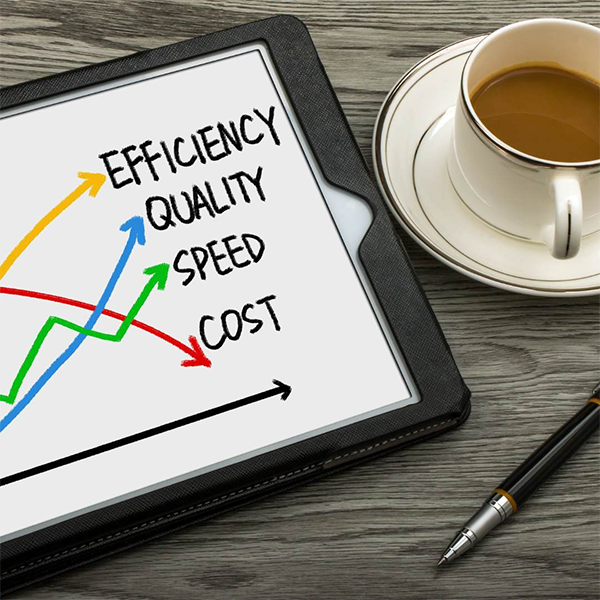
An energy-efficient coffee roaster in 6kg and 12kg electric air configurations helps professional roasters cut waste, stabilize production, and scale profitably without sacrificing control.
There’s a quiet shift happening inside roasting facilities—not in branding or packaging, but in how production decisions are made. More roasters are asking smarter questions. Not how fast can we roast? But how efficiently can we roast—every single day?
That’s where the modern energy-efficient coffee roaster enters the conversation. Not as a buzzword. As an operational strategy.
In this article, we’ll explore how the 6kg electric coffee roaster and 12kg electric coffee roaster, particularly in air-driven configurations, are helping professional roasters reduce waste, tighten batch consistency, and protect margins—without sacrificing roast quality or creative control.
This isn’t about chasing trends. It’s about building smarter production systems.
Efficiency Starts with Right-Sized Capacity
One of the most overlooked sources of waste in roasting isn’t green coffee—it’s a mismatch. Machines that are too large, too small, or constantly operated outside their optimal range quietly bleed efficiency.
A 6kg electric coffee roaster excels in environments where flexibility matters: R&D roasting, limited wholesale, seasonal offerings, or cafés roasting for multiple locations. It allows tighter batch control and fewer forced compromises. Meanwhile, the 12kg electric coffee roaster shines as a production backbone—large enough to meet demand, small enough to remain nimble.
Both sizes, when designed as an energy-efficient coffee roaster, help roasters avoid the hidden costs of overproduction, excessive batch cycling, and inconsistent thermal recovery.
Why Electric Changes the Cost Equation
Electric roasting isn’t just about sustainability optics. It’s about control.
Unlike gas systems that often overshoot and correct, electric systems deliver precise, responsive heat application. That precision matters when beans are suspended in controlled airflow rather than relying solely on drum contact.
A 6kg air coffee roaster allows operators to make real-time adjustments without dramatic temperature swings. The result? Fewer scorched batches, fewer corrective blends, and fewer “close enough” compromises.
Scale that same logic up, and a 12kg air coffee roaster becomes a powerful tool for maintaining consistency across long production runs—without operator fatigue or guesswork.
That’s where true efficiency lives.
Waste Isn’t Always Visible—Until You Measure It
Most roasting waste doesn’t show up in the trash bin. It shows up as:
- Batches roasted twice
- Coffee blended to hide inconsistencies
- Time spent babysitting unstable profiles
- Energy lost during long warm-up and recovery cycles
An energy-efficient coffee roaster reduces waste by design. Faster thermal stabilization, consistent airflow, and predictable roast development all contribute to fewer “almost right” batches.
Whether you’re running a 6kg electric coffee roaster for development work or a 12kg electric coffee roaster for daily production, the goal is the same: repeatability without rigidity.
Batch Consistency Is a Cost-Saving Tool
Consistency isn’t just a quality metric—it’s a financial one.
When batches behave predictably, production planning improves. Labor scheduling tightens. Green buying becomes more accurate. And customer trust deepens.
Air-driven systems help here by surrounding beans in a uniform heat environment, reducing the risk of tipping, scorching, or uneven development. A well-designed 6kg air coffee roaster allows roasters to test profiles that scale cleanly. A 12kg air coffee roaster then executes those profiles repeatedly—without reinterpretation.
That translation from small to medium scale is where many operations either gain efficiency or lose it.
Energy Use: Where Savings Compound
Energy costs don’t spike overnight—they accumulate quietly.
An energy-efficient coffee roaster minimizes wasted heat, shortens recovery times between batches, and avoids the constant cycling associated with oversized gas systems. Electric roasters also eliminate combustion variability, making energy usage more predictable and easier to model over time.
This matters whether you’re roasting three days a week or six. A 12kg electric coffee roaster operating at consistent efficiency often outperforms a larger machine running underutilized. Meanwhile, a 6kg electric coffee roaster avoids the inefficiencies of forcing small batches through oversized systems.
Efficiency isn’t about maximum output. It’s about optimized output.
Throughput Without Burnout
Let’s talk about reality. Roasting isn’t just technical—it’s human.
Machines that demand constant correction create fatigue. Fatigue leads to mistakes. Mistakes lead to waste.
Electric air systems reduce cognitive load by behaving consistently. Roast times typically fall in the 12–15 minute range, depending on your beans and desired roast profile, allowing operators to settle into a rhythm instead of firefighting variables.
That predictability—whether on a 6kg air coffee roaster or a 12kg air coffee roaster—protects both product and people.
Scaling Smart, Not Loud
Growth doesn’t always mean “bigger.” Often, it means “better.”
Many successful roasters scale horizontally—adding a second energy-efficient coffee roaster rather than replacing one with a massive system. A 6kg electric coffee roaster paired with a 12kg electric coffee roaster creates operational flexibility that a single oversized machine can’t match.
You roast what you need, when you need it—without forcing every coffee into the same production mold.
That’s how waste stays low, and margins stay healthy.
Final Thoughts: Efficiency Is a Competitive Advantage
Efficiency isn’t the most glamorous part of coffee roasting—but it is often the difference between businesses that merely survive and those that scale with confidence. The roasters who stay profitable over time are rarely the ones chasing the biggest machines or the loudest innovations. They’re the ones building systems that work consistently, day after day, with minimal waste and maximum control.
An energy-efficient coffee roaster, whether a 6kg electric coffee roaster or a 12kg electric coffee roaster, enables that kind of operational maturity. Electric air-driven systems reduce variability, protect roast integrity, and create predictable production environments that support both quality and growth. They help teams roast with intention instead of reaction—cutting energy waste, minimizing rework, and preserving margins as demand increases.
In a market where costs are rising and expectations are higher than ever, efficiency isn’t just a technical feature. It’s a strategic advantage—and one that compounds with every well-executed batch.
About Air-Motion Roasters
Specializing in energy-efficient, all-electric air roasting, Air‑Motion Roasters offers precise control and clean roasting designed with our patented open-chamber airflow system. Our technology reduces heat, smoke, VOCs, and chaff while delivering consistent, traditional roast times without emissions or fuel use. The result? No bitter or burnt notes. Just clean, delicious coffee.Explore our 3kg, 6kg, and 12kg roasters, plus the AirSift destoner. Use our calculator to find the best fit for your needs. With competitive financing options, we make it easy to experience the Air‑Motion Advantage. Contact us at Air-Motion Roasters USA today.
Frequently Asked Questions
Roast Smarter. Waste Less.
If you’re ready to build a production system that protects quality and margins, it’s time to rethink efficiency. An energy-efficient coffee roaster in 6kg or 12kg electric air configurations helps you reduce waste, stabilize output, and scale with confidence—without overcomplicating your operation. Explore smarter roasting that works as hard as you do.
Contact us to request a demo or chat, visit our video library, or try out our roaster size calculator.
Related Posts

Choosing the right commercial air coffee roaster—3kg, 6kg, or 12kg—means aligning airflow technology, control features, and capacity with your production goals and growth strategy. How ...

A deeper look at how traditional drum roasters and modern all-air, all-electric systems differ in long-term costs, maintenance, workflow, and efficiency — helping roasters choose ...
Balancing capacity and footprint starts with clarity. The right electric air roaster maximizes production power, energy efficiency, and workflow harmony—without compromising your roasting space or ...
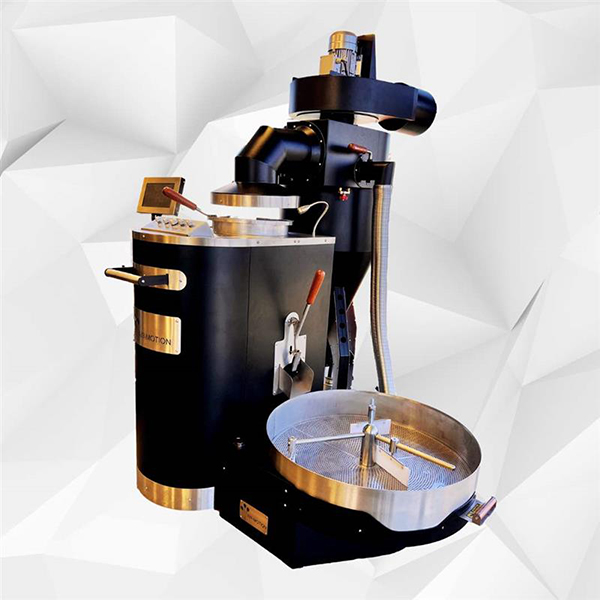
Discover how the 12kg electric coffee roaster streamlines large-scale production with unmatched consistency, energy efficiency, and clean flavor—helping modern roasteries scale smarter, roast greener, and ...
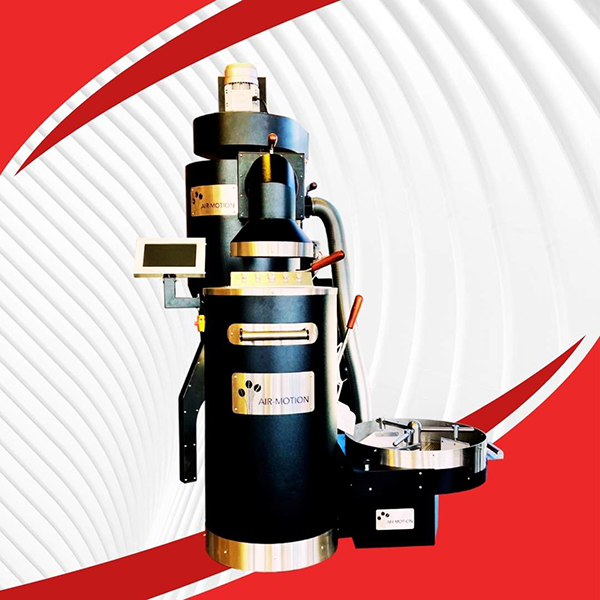
Upgrade without compromise. Learn why a 6 kg electric air roaster delivers capacity, consistency, and clean operation for roasteries scaling smart and staying true to ...
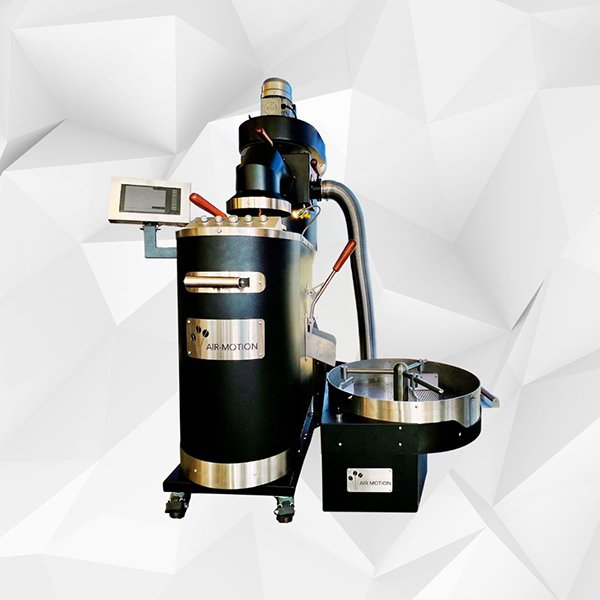
The 3kg electric air roaster offers unmatched flexibility for small-batch roasting, R&D, and in-house café use. With clean operation and precise control, it’s perfect for ...