
Choosing the right commercial air coffee roaster—3kg, 6kg, or 12kg—means aligning airflow technology, control features, and capacity with your production goals and growth strategy.
How to choose the right capacity—and the right technology—for where your roasting business is headed
Buying a commercial air coffee roaster is one of those decisions that looks deceptively simple from the outside. You pick a size. You compare specs. You run the numbers. Done.
Except it’s never that simple.
The roaster you choose will quietly dictate how your team works, how consistently your coffee tastes, how easily you scale production, and—over time—how confident you feel pushing boundaries instead of constantly fighting your equipment. Capacity matters, yes. But capability matters more.
In this guide, we’ll walk through what truly separates a great 3kg air coffee roaster, a 6kg air coffee roaster, and a 12kg air coffee roaster from machines that merely look good on a spec sheet. The goal isn’t to sell you “bigger” or “newer.” It’s to help you choose intentionally, with your business model firmly in mind.
Why Air Roasting Changes the Entire Decision Framework?
Let’s establish a baseline. A commercial air coffee roaster isn’t just a different heating method—it’s a fundamentally different approach to roast control.
Air roasting relies on precisely managed convection heat, suspending beans in a controlled airflow rather than tumbling them against hot metal. That distinction matters more than many people realize.
In practice, it delivers:
- Faster and more predictable heat transfer
- Immediate response to airflow and temperature changes
- Greater uniformity across the batch
- Reduced risk of scorching, tipping, and baked flavors
But here’s the key point: air roasting exposes weaknesses quickly. Poor airflow design, sloppy controls, or underpowered systems are immediately evident in the cup. When done right, though, air roasting offers clarity and consistency that are hard to unlearn once experienced.
That’s why choosing the right size with the right features is so critical.
The 3kg Air Coffee Roaster: Where Precision and Learning Thrive
A 3kg air coffee roaster often plays an outsized role in shaping a roaster’s philosophy. This is where habits form, palates sharpen, and roast logic becomes instinctive.
What This Size Does Exceptionally Well
1. Fine-Grain Control Over Development
Small batches magnify every decision. Heat adjustments show up immediately, making a 3kg system ideal for learning, refining, and teaching roast theory.
2. Ideal for Limited SKUs or Rotating Menus
If your offering changes frequently—seasonal lots, micro-lots, or direct-trade coffees—a 3kg system keeps you agile without tying up capital.
3. Commercial Standards Without Industrial Complexity
A true commercial air coffee roaster at this size should still support multiple batches per day, stable airflow, and durable components—not hobby-grade compromises.
Features You Should Refuse to Compromise On
- Independent airflow and heat control
- Accurate bean temperature sensing
- Fast, efficient cooling that stops development cleanly
- Profile storage and repeatability
Who it’s best for:
Cafés roasting in-house, startup roasters, training labs, and professionals who prioritize learning and precision over volume.
The 6kg Air Coffee Roaster: The Strategic Middle Ground
The 6kg air coffee roaster is where many roasting businesses find their operational rhythm. It’s large enough to matter—and small enough to remain flexible.
Why This Size Is So Popular
At 6kg, you can:
- Roast for retail and wholesale simultaneously
- Run efficient production days without overbuilding
- Maintain tight quality control without excessive automation
For many, this becomes the first roaster that feels like a business asset, not just a production tool.
Features That Separate Workhorses From Bottlenecks
1. Thermal Consistency Across Long Runs
Back-to-back roasting exposes a weak thermal design quickly. Look for systems that maintain airflow stability without manual babysitting.
2. Scalable Roast Software
As production grows, so does the need for version control, roast comparisons, and QA documentation.
3. Chaff and Exhaust Management
Efficient separation keeps airflow clean and reduces downtime—especially critical during longer production days.
A commercial air coffee roaster in this range should support both creativity and consistency, without forcing you to choose between them.
Who it’s best for:
Growing specialty roasters, café-wholesale hybrids, and operations scaling thoughtfully rather than aggressively.
The 12kg Air Coffee Roaster: When Consistency Becomes a Promise
The 12kg air coffee roaster signals a shift. At this scale, consistency isn’t a goal—it’s a requirement.
Customers expect the same coffee to taste the same week after week. Staff rely on systems that don’t drift. Margins depend on efficiency.
What Matters Most at This Scale
1. Engineered Airflow, Not Just Bigger Fans
Uniform bean suspension at 12kg requires precision engineering. Uneven airflow will undermine everything air roasting promises.
2. Smart Automation With Human Oversight
Automation should reduce errors, not eliminate judgment. The best systems support repeatability while still allowing experienced roasters to intervene.
3. Energy Efficiency and Heat Recovery
At higher volumes, small inefficiencies compound quickly. A well-designed commercial air coffee roaster protects margins through intelligent energy use.
Who it’s best for:
Established wholesale roasters, private-label producers, and multi-location café groups.
Features That Matter Regardless of Size (And Often Get Ignored)
Whether you’re evaluating a 3kg air coffee roaster, a 6kg air coffee roaster, or a 12kg air coffee roaster, some features are non-negotiable.
True Airflow Control
Not presets. Not approximations. You need real-time, adjustable airflow control that responds instantly.
Transparent Roast Logic
Avoid systems that hide decisions behind “black box” automation. You should always know why the roast behaves the way it does.
Serviceability and Support
Downtime costs more than most roasters realize. Access to parts, training, and long-term manufacturer support matters—especially for a commercial air coffee roaster expected to last a decade or more.
Choosing Capacity Based on Business Reality (Not Ego)
One of the most common mistakes in roasting is buying for who you hope to be instead of how you operate today.
Ask yourself:
- How many batches do we realistically roast per day?
- How much flexibility do we need for R&D?
- How important is redundancy if one machine goes down?
Sometimes the right answer is a 6kg air coffee roaster paired with a smaller machine. Sometimes it’s staying with a 3kg air coffee roaster longer than planned. Sometimes it’s stepping confidently into a 12kg air coffee roaster because demand genuinely requires it.
Smart growth is intentional growth.
The Long View: Roasters as Creative Infrastructure
Here’s something rarely discussed: your roaster shapes your creative ceiling.
A well-designed commercial air coffee roaster doesn’t just improve consistency—it gives you confidence to explore. To push lighter roasts without fear. To refine development curves instead of correcting defects. To train staff more effectively.
That’s the quiet advantage of choosing well.
About Air-Motion Roasters
Specializing in energy-efficient, all-electric air roasting, Air‑Motion Roasters offers precise control and clean roasting designed with our patented open-chamber airflow system. Our technology reduces heat, smoke, VOCs, and chaff while delivering consistent, traditional roast times without emissions or fuel use. The result? No bitter or burnt notes. Just clean, delicious coffee.Explore our 3kg, 6kg, and 12kg roasters, plus the AirSift destoner. Use our calculator to find the best fit for your needs. With competitive financing options, we make it easy to experience the Air‑Motion Advantage. Contact us at Air-Motion Roasters USA today.
Frequently Asked Questions
Choose a Roaster That Grows With You
Selecting the right commercial air coffee roaster isn’t about chasing capacity—it’s about aligning airflow technology, control, and support with your long-term vision. Whether you’re refining small batches or scaling production, the right roaster becomes a partner in quality, not a limitation.
Choose intentionally. Roast confidently. Build something that lasts.
Contact us to request a demo or chat, visit our video library, or try out our roaster size calculator.
Related Posts
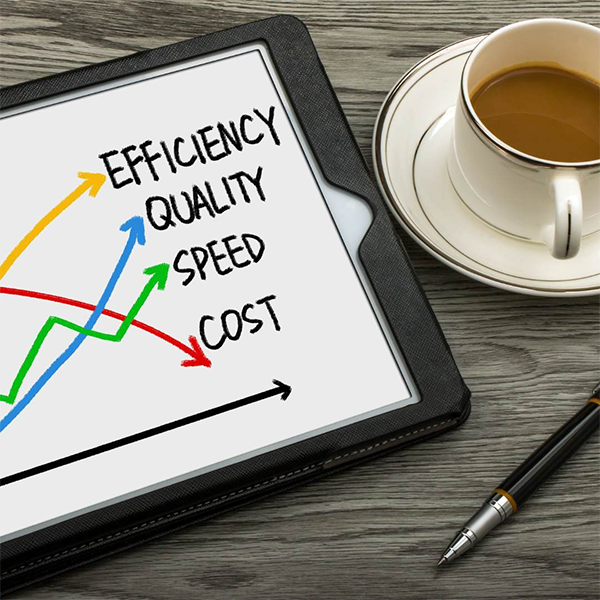
An energy-efficient coffee roaster in 6kg and 12kg electric air configurations helps professional roasters cut waste, stabilize production, and scale profitably without sacrificing control. There’s ...

A deeper look at how traditional drum roasters and modern all-air, all-electric systems differ in long-term costs, maintenance, workflow, and efficiency — helping roasters choose ...
Balancing capacity and footprint starts with clarity. The right electric air roaster maximizes production power, energy efficiency, and workflow harmony—without compromising your roasting space or ...
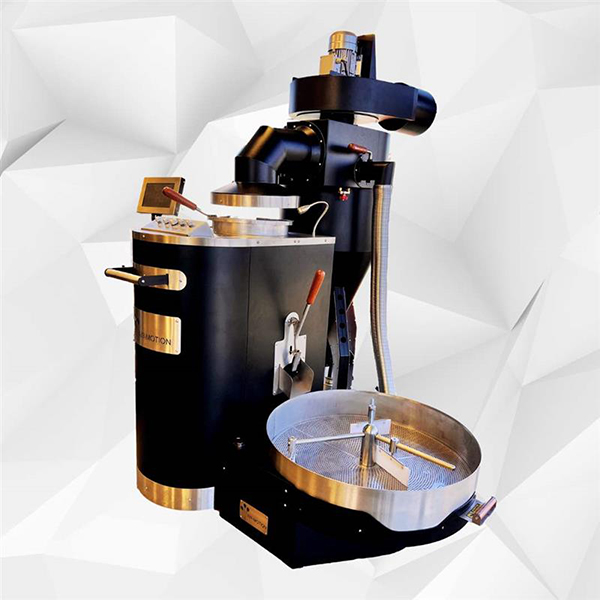
Discover how the 12kg electric coffee roaster streamlines large-scale production with unmatched consistency, energy efficiency, and clean flavor—helping modern roasteries scale smarter, roast greener, and ...
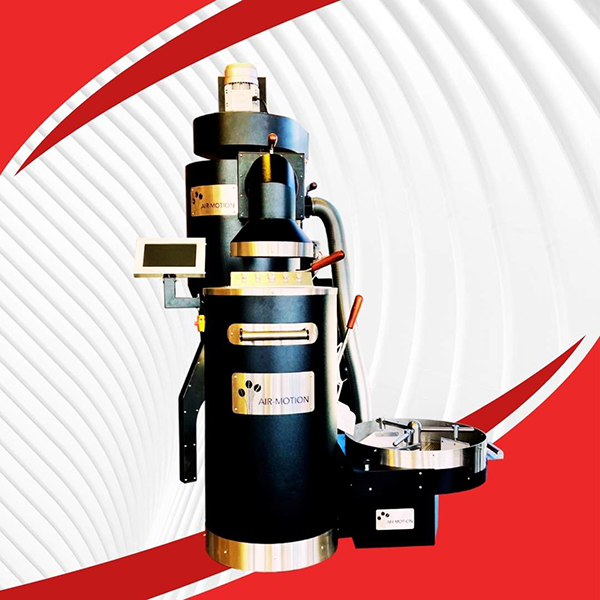
Upgrade without compromise. Learn why a 6 kg electric air roaster delivers capacity, consistency, and clean operation for roasteries scaling smart and staying true to ...
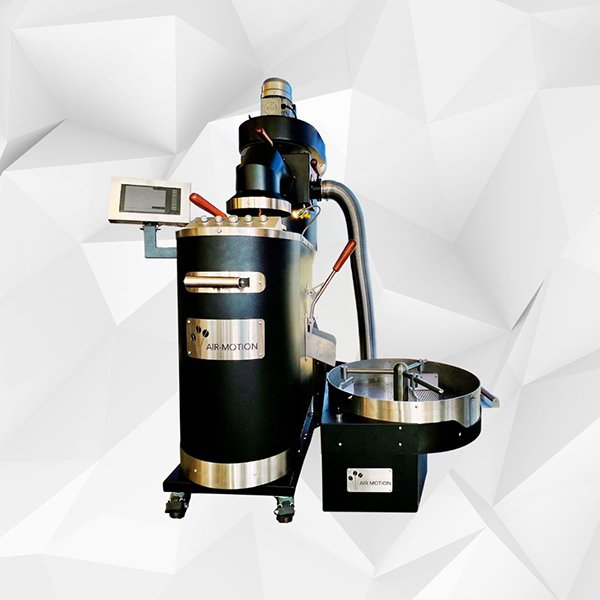
The 3kg electric air roaster offers unmatched flexibility for small-batch roasting, R&D, and in-house café use. With clean operation and precise control, it’s perfect for ...