
A deeper look at how traditional drum roasters and modern all-air, all-electric systems differ in long-term costs, maintenance, workflow, and efficiency — helping roasters choose confidently for the future.
In the specialty coffee world, “cost” is rarely just about dollars. It’s about time, labor, maintenance, energy, and long-term reliability — the unglamorous but very real factors that shape a roasting operation’s day-to-day reality. And for many roasters, the conversation increasingly comes down to this: What’s the true cost of ownership when comparing a traditional drum roaster with a modern all-air, all-electric coffee roaster?
This article doesn’t aim to sell you one way or another — our readers are seasoned professionals who already know the fundamentals. Instead, let’s dig deeper into what really changes when a roastery shifts from traditional heat-transfer mechanics to the more modern precision of an electric coffee roaster. And more importantly, how those differences play out across years of production.
Understanding the Core Differences: Heat, Mechanics, and Workflow
For decades, the default comparison has been air roaster vs drum roaster, usually boiled down to “traditional vs modern.” But as the technology behind the all-air electric coffee roaster commercial systems has evolved, the conversation deserves more nuance.
Traditional drum roasters depend on conductive heat transferring from a hot metal drum to the beans, combined with some convective airflow. They’re respected for their versatility, but they rely heavily on skilled operators who know how to manage variables like drum speed, airflow, and gas pressure.
Air roasting, especially in modern air-roaster coffee systems, uses a stream of precisely controlled hot air to heat and suspend the beans. Instead of relying on physical contact with the drum, heat surrounds the beans, minimizing hotspots and simplifying repeatability.
Both methods can produce exceptional coffee — but they carry different cost structures over time.
Energy Consumption: Gas vs. Electricity
One of the biggest operational shifts comes when a roastery moves from gas to an electric coffee roaster. Electricity offers a more stable, responsive heat source with fewer external variables. For smaller and mid-sized production environments, electric systems eliminate the need for gas lines, regulators, or inspections.
This doesn’t mean electric is always cheaper everywhere — utility rates vary widely. But what we can say confidently is that electric roasters often deliver:
- Faster heat response
- Greater control for profile repeatability
- Simpler compliance and installation
- Fewer combustion-related emissions
From a cost-of-ownership perspective, the predictability of electricity — versus the volatility of gas supply — tends to favor electric models for long-term use.
Maintenance: The Hidden Long-Term Cost
Maintenance is where real numbers reveal themselves quietly over the years.
Drum roasters have more mechanical components that require regular attention: bearings, belts, motors, and chaff management systems. Their design also allows for chaff to accumulate in hard-to-reach places, increasing fire risks and cleaning hours.
On the other hand, an all-air electric coffee roaster commercial system generally has:
- Fewer moving parts
- Cleaner roasting chambers
- Automated chaff expulsion mid-roast
- Reduced soot and residue buildup
This doesn’t eliminate maintenance — nothing in roasting ever does — but it reduces the frequency and complexity over the machine’s lifetime. Across a five- or ten-year span, these differences add up in tangible ways: fewer technician visits, less downtime, and fewer replacements of high-heat components.
Roast Time and Throughput: Speed Isn’t Everything — But It Helps
Modern air systems typically roast in roughly the same window as drum systems — around 12–15 minutes per batch, depending on your beans and desired roast profile. Shorter roast times are possible, but the goal here is flavor clarity, not a race.
Where the all-air, all-electric systems tend to shine is in consistency. Once a profile is dialed in, repeating it becomes significantly easier. For operations where throughput and repeatability matter, this reliability can meaningfully influence labor costs and production planning.
Environmental and Ventilation Costs
A hidden — but substantial — cost of traditional drum roasters comes from ventilation requirements. Gas systems must expel combustion byproducts, requiring:
- Venting
- Make-up air
- Heat-resistant ducting
- Regular inspections and compliance
Electric air systems reduce or eliminate many of these requirements. In some cases, they can operate ventless, depending on local regulations and roastery setup.
When estimating long-term costs, it’s essential to consider:
- Installation expenses
- Ventilation retrofits
- Ongoing cleaning and safety inspections
These aren’t “extras.” They’re part of ownership—and they can significantly reshape total lifetime cost.
Labor: Training, Skill, and Efficiency
Traditional drum roasters reward skill and intuition — and there will always be value in that artistry. But relying heavily on manual adjustments also means:
- More training hours
- Greater dependence on individual operators
- Higher risk of variability
A modern electric coffee roaster with digital control reduces cognitive load during roasting:
- Temperature and airflow adjustments are automated
- Profiles can be saved and replicated
- Operators can focus on cupping and quality
This doesn’t eliminate craft — it reallocates it.
Final Verdict: True Cost of Ownership Goes Beyond the Price Tag
The aim of this comparison isn’t to declare a winner. Both roasting styles have a place in the industry, and drum roasting will always appeal to purists who love its tactile nature.
But the shift we’re seeing — especially among younger roasting operations and multi-location cafés — comes down to a desire for:
- Greater precision
- Higher repeatability
- Lower long-term maintenance
- Reduced environmental burden
- Predictable energy usage
- Simplified training and workflow
And that is where the all-air electric coffee roaster often pulls ahead in long-term cost efficiency.
Choosing your roasting technology isn’t only about “What does it cost now?” It’s about “What will this cost me season after season, roast after roast?”
About Air-Motion Roasters
Specializing in energy-efficient, all-electric air roasting, Air‑Motion Roasters offers precise control and clean roasting designed with our patented open-chamber airflow system. Our technology reduces heat, smoke, VOCs, and chaff while delivering consistent, traditional roast times without emissions or fuel use. The result? No bitter or burnt notes. Just clean, delicious coffee.Explore our 3kg, 6kg, and 12kg roasters, plus the AirSift destoner. Use our calculator to find the best fit for your needs. With competitive financing options, we make it easy to experience the Air‑Motion Advantage. Contact us at Air-Motion Roasters USA today.
Frequently Asked Questions
Optimize Your Roastery With Precision, Predictability, and Lower Lifetime Costs
Take control of your long-term operations with an electric coffee roaster engineered for efficiency, repeatability, and sustainable growth. Whether you’re scaling, upgrading, or future-proofing your workflow, our all-air electric systems deliver clarity, consistency, and confidence—batch after batch.
Contact us to request a demo or chat, visit our video library, or try out our roaster size calculator.
Related Posts
An energy-efficient coffee roaster in 6kg and 12kg electric air configurations helps professional roasters cut waste, stabilize production, and scale profitably without sacrificing control. There’s ...

Choosing the right commercial air coffee roaster—3kg, 6kg, or 12kg—means aligning airflow technology, control features, and capacity with your production goals and growth strategy. How ...
Balancing capacity and footprint starts with clarity. The right electric air roaster maximizes production power, energy efficiency, and workflow harmony—without compromising your roasting space or ...
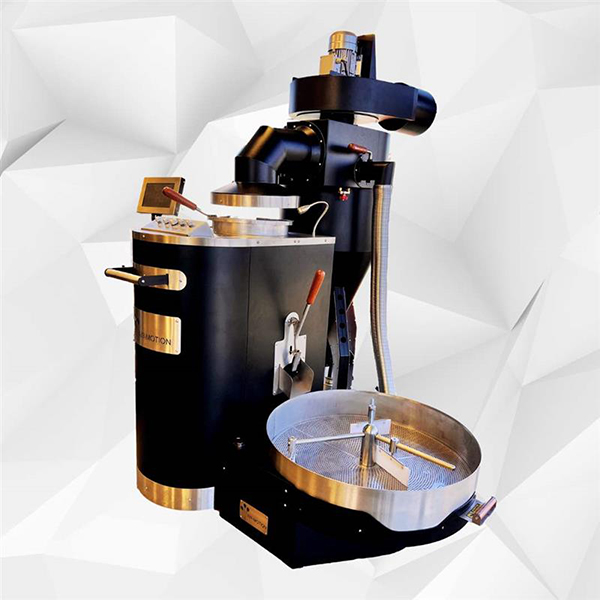
Discover how the 12kg electric coffee roaster streamlines large-scale production with unmatched consistency, energy efficiency, and clean flavor—helping modern roasteries scale smarter, roast greener, and ...
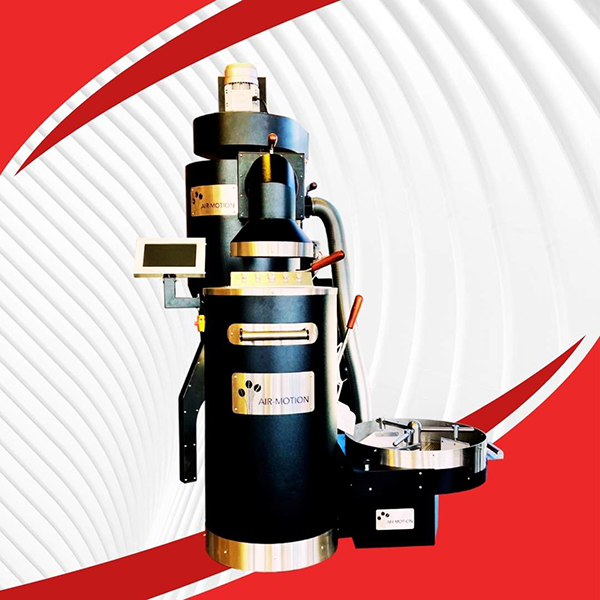
Upgrade without compromise. Learn why a 6 kg electric air roaster delivers capacity, consistency, and clean operation for roasteries scaling smart and staying true to ...
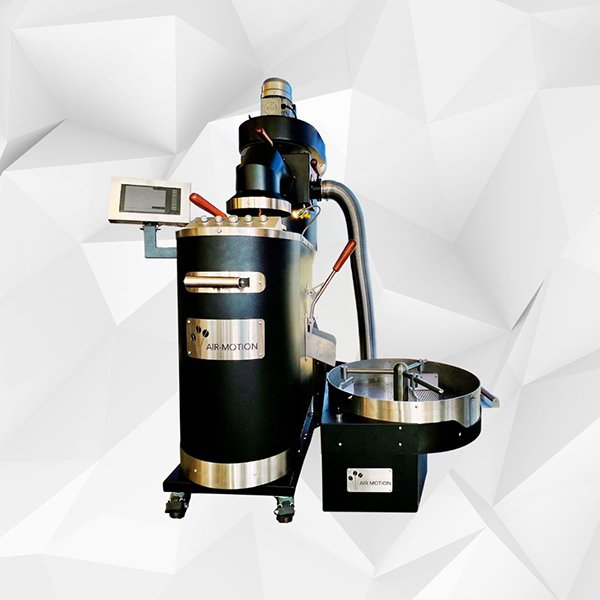
The 3kg electric air roaster offers unmatched flexibility for small-batch roasting, R&D, and in-house café use. With clean operation and precise control, it’s perfect for ...