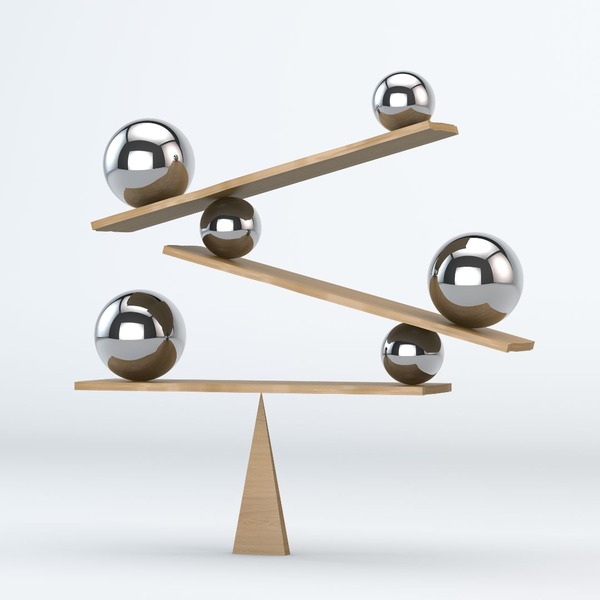
Balancing capacity and footprint starts with clarity. The right electric air roaster maximizes production power, energy efficiency, and workflow harmony—without compromising your roasting space or creativity.
If you’ve ever stood in your roastery and thought, “We’re out of room—but we’re not out of dreams,” you’re not alone. Growth in coffee roasting doesn’t always come with more square footage. Sometimes, the biggest leap forward is finding equipment that gives you more power, more precision, and more production—without taking over your floor plan.
That’s where today’s electric coffee roaster commercial systems come into play. Compact, energy-efficient, and designed for consistency, the new generation of professional air coffee roasters can deliver big results in surprisingly small spaces. But finding the right fit takes more than comparing capacities. It’s about balance: between your space, your workflow, and your ambitions.
The Footprint Paradox: Big Output, Small Space
Every square foot in your roastery matters. From green bean storage and packaging to cooling trays and cupping tables, space fills up fast. Traditional drum roasters, while reliable, often require larger footprints, additional venting, and complex heat management.
Modern electric coffee roaster commercial models flip that equation. Air roasting technology eliminates heavy gas lines and bulky afterburners, drastically reducing installation complexity and real estate needs. You’re no longer designing around the machine; you’re designing around your ideal workflow.
Take a 12–15 kg air coffee roaster as an example. In many cases, you can fit the machine, chaff collector, and cooling system in less than half the space of a comparable gas unit—all while maintaining a powerful roast capacity that meets growing demand.
Why Air Roasting Changes Everything
Air roasting uses a high-velocity stream of clean, heated air to evenly suspend and roast beans. That uniform environment delivers an incredibly consistent roast profile and faster heat transfer without the scorching risk of metal drum contact.
For many small and midsize roasters, this means less guesswork and more repeatability. You get lighter maintenance, fewer emissions, and an instantly cleaner cup profile—a flavor-forward advantage that customers can taste.
A professional air coffee roaster also provides remarkable control. Adjustments in airflow, temperature, and roast curve are immediate and precise. This agility allows you to move from delicate single-origin batches to darker espresso blends without sacrificing quality or losing valuable production time.
Matching Capacity to Your Production Goals
Here’s where the balancing act gets interesting. Bigger isn’t always better. A 15 kg electric coffee roaster commercial might seem like the smart investment—until you realize your daily roast volume doesn’t justify it, or your space can’t support the footprint.
Think about your roast schedule. Are you roasting once a day, or running back-to-back batches? What’s your turnaround time between cooling and next-load prep? Many thriving specialty roasters discover that a 6–12 kg range gives them enough throughput while still keeping things flexible and energy-efficient.
If your business model includes contract roasting or wholesale supply, scalability matters. In that case, you might want a modular setup—multiple smaller electric coffee roaster commercial units operating side by side—so you can adjust production based on demand without reconfiguring your entire space.
Energy Efficiency Meets Cost Efficiency
Electric air roasting isn’t just about saving space—it’s about smarter energy use. Traditional gas roasters lose significant heat through exhaust and drum surfaces. In contrast, an electric coffee roaster commercial retains and recycles heat far more efficiently, often requiring less than half the energy input per batch.
That efficiency translates into lower operational costs and a smaller environmental footprint—something today’s customers genuinely care about. If you’re pursuing certifications or eco-forward branding, investing in an air coffee roaster can become both a marketing advantage and a business value statement.
Integration and Workflow: The Human Factor
Even the most advanced professional air coffee roaster can become a bottleneck if it doesn’t flow with your workspace. Consider where your operator stands, where beans enter and exit, how smoke is vented, and how cooling and packaging are sequenced.
Electric systems give you layout flexibility. Without gas lines, your placement options expand dramatically—you can roast near a window, against a wall, or even in compact retail environments. For cafés or micro-roasteries, this flexibility means you can showcase roasting as part of the customer experience without compromising safety or function.
The Scalability Mindset: Think Forward
Buying a roaster is more than a purchase—it’s a strategic decision that defines your next 5–10 years. The best choice balances your current volume with your growth trajectory.
Electric and air roasting systems are ideal for scalable operations. Many manufacturers offer models that share software, components, and interfaces across different capacities. That means when it’s time to upgrade from, say, a 6 kg to a 12 kg electric coffee roaster commercial, your learning curve stays flat—and your team stays efficient.
Trust the Data: Digital Control & Precision
Another advantage of today’s electric coffee roaster commercial systems is their advanced control software. Integrated profiling tools let you log data, adjust curves, and monitor consistency from roast to roast. For professional roasters juggling multiple clients or blends, that precision is gold.
Real-time temperature feedback and airflow metrics let you refine results batch after batch. And since electric heat sources respond instantly to software inputs, you can achieve a level of repeatability that even seasoned drum operators envy.
Making the Decision: Space, Capacity, and Vision
Ultimately, choosing the right electric coffee roaster commercial is about finding your sweet spot—the point where performance meets practicality. It’s about giving your team a tool that fits seamlessly into your environment, supports your ambitions, and enhances your brand’s story.
When done right, you’re not just investing in a machine—you’re investing in freedom: the freedom to grow, experiment, and create exceptional coffee with consistency and confidence.
About Air-Motion Roasters
Specializing in energy-efficient, all-electric air roasting, Air‑Motion Roasters offers precise control and clean roasting designed with our patented open-chamber airflow system. Our technology reduces heat, smoke, VOCs, and chaff while delivering consistent, traditional roast times without emissions or fuel use. The result? No bitter or burnt notes. Just clean, delicious coffee.Explore our 3kg, 6kg, and 12kg roasters, plus the AirSift destoner. Use our calculator to find the best fit for your needs. With competitive financing options, we make it easy to experience the Air‑Motion Advantage. Contact us at Air-Motion Roasters USA today.
Frequently Asked Questions
Ready to expand your roasting capacity without increasing your footprint?
Explore the Air-Motion lineup of electric coffee roaster commercial systems— engineered for clarity, control, and sustainable performance.
Roast smarter—Roast cleaner. Roast your way forward.
Contact us to request a demo or chat, visit our video library, or try out our roaster size calculator.
Related Posts
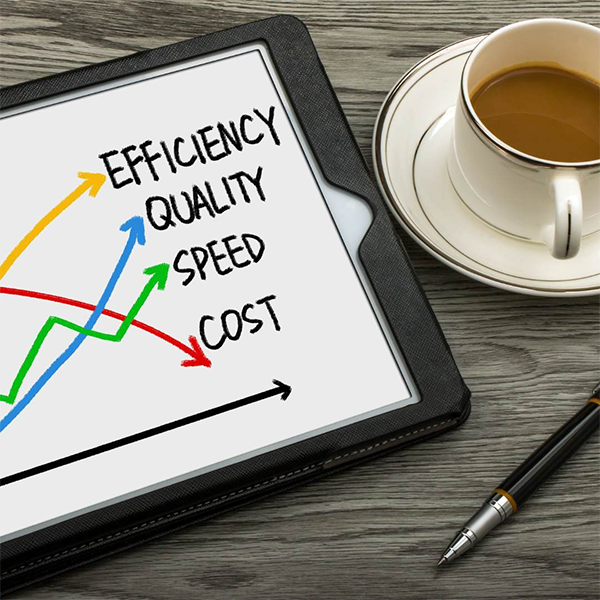
An energy-efficient coffee roaster in 6kg and 12kg electric air configurations helps professional roasters cut waste, stabilize production, and scale profitably without sacrificing control. There’s ...

Choosing the right commercial air coffee roaster—3kg, 6kg, or 12kg—means aligning airflow technology, control features, and capacity with your production goals and growth strategy. How ...

A deeper look at how traditional drum roasters and modern all-air, all-electric systems differ in long-term costs, maintenance, workflow, and efficiency — helping roasters choose ...
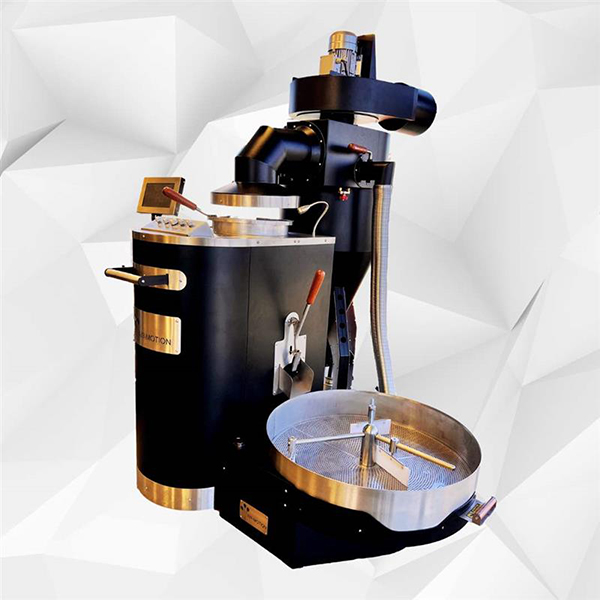
Discover how the 12kg electric coffee roaster streamlines large-scale production with unmatched consistency, energy efficiency, and clean flavor—helping modern roasteries scale smarter, roast greener, and ...
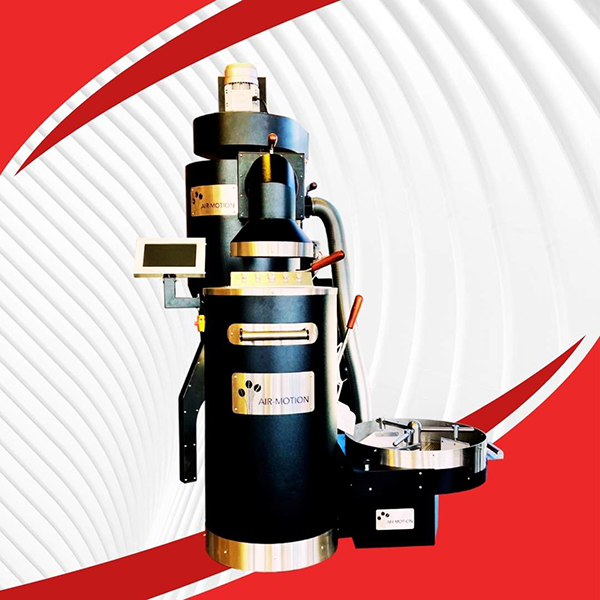
Upgrade without compromise. Learn why a 6 kg electric air roaster delivers capacity, consistency, and clean operation for roasteries scaling smart and staying true to ...
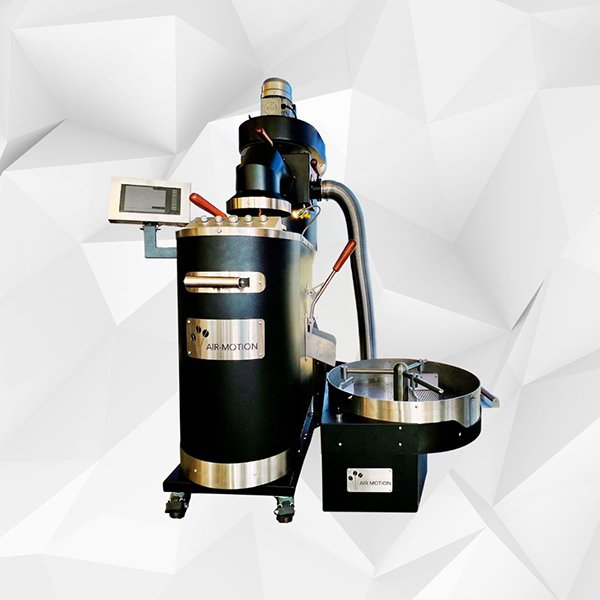
The 3kg electric air roaster offers unmatched flexibility for small-batch roasting, R&D, and in-house café use. With clean operation and precise control, it’s perfect for ...