

All-air, all-electric coffee roasters are rewriting the rules—delivering cleaner cups, smarter control, and zero emissions. This isn’t just innovation; it’s the future of roasting for pros who value precision, sustainability, and next-level performance.
It’s Not the Future Anymore—It’s the Now
Walk into any progressive roastery today, and chances are you’ll hear fewer gas valves hissing and more conversations about emissions, repeatability, and system intelligence. The conversation is shifting. Quietly but decisively, all air coffee roasters—particularly all electric coffee roasters—are transforming the landscape of commercial roasting.
And no, this isn’t about replacing heritage. It’s about writing the next chapter in coffee’s long and constantly evolving story.
If you’re still picturing air roasting as a niche method relegated to sample roasts or pop-up cafes, this article might challenge a few assumptions. Because today’s air coffee roasting machines are not only holding their own—they’re leading the way.
How We Got Here: The Arc of Roasting Innovation
For decades, the professional coffee roaster was almost synonymous with gas-powered drum machines. And to be fair, they’ve earned their place. The depth, control, and tactile intimacy of drum roasting shaped much of modern coffee culture.
But the same traits that made drums the default have also become friction points in a new era defined by automation, environmental responsibility, and operational efficiency. Roasters today are navigating tighter emission regulations, rising energy costs, and growing pressure to reduce their carbon footprint—without compromising cup quality or consistency. Add in a new generation of coffee professionals who value tech-forward tools and agile workflows, and it’s clear: the modern professional coffee roaster must do more than roast well—it must roast smarter.
That’s where all-air coffee roasters come in.
Modern air systems use convective, conductive, and radiant heat—not prolonged direct metal contact—to suspend beans in a vortex of precisely heated air. And when that air comes from a clean electric source? You’ve got a professional coffee roaster that’s fast, precise, repeatable, and environmentally aligned.
This isn’t just innovation—it’s evolution. Quiet, intelligent, and shockingly effective.
What’s Driving the Shift Toward All-Air, All-Electric?
The surge in interest around all-electric coffee roasters and air systems isn’t just about novelty. It’s about solving real-world problems. Let’s break down the drivers:
1. Sustainability and Emissions Reduction
Coffee roasting has a footprint, and it’s not a small one. Traditional roasters burn fossil fuels and emit significant CO₂. In contrast, all electric coffee roasters—especially when paired with renewable energy—can dramatically reduce emissions and energy use. And in places where permitting and ventilation are hurdles, going electric is often the only path forward.
2. Precision and Repeatability
Air systems respond faster to control inputs than their gas-powered counterparts. That translates to roast curves that are easier to manage, tweak, and replicate. The heat doesn’t come from a surface—it’s in the air itself—surrounding each bean evenly. No hot spots. No lag. Just clean, fast, convective heat.
3. Workflow and Cleanliness
Because beans are suspended in heated air throughout the roast, the chaff is expelled mid-process. That means less post-roast mess and fewer chances of off-flavors or fire risks. The workflow becomes faster, cleaner, and simpler.
What Can Modern All-Air Roasters Actually Do?
Here’s where things get exciting. The myth that air roasting can only produce light, acidic profiles has (thankfully) been left in the early 2000s.
Modern air coffee roasting machines—particularly those designed for production—can coax out an impressive range of profiles: light, medium, or dark. The heat transfer is uniform, and because the roast environment is so clean, you often get more clarity in the cup.
It’s not about sacrificing complexity. It’s about tuning the process to highlight what’s already in the bean—whether that’s the deep molasses of a natural Brazil or the lilac and lemon of a washed Ethiopian.
At Air-Motion Roasters, for example, patented Open Chamber Roasting delivers the precision of hot air roasting with improved thermal momentum, allowing for more extended development or nuanced profile shaping depending on your goals. You’re not locked into a “bright and light” corner. You’ve got range.
Industry Trends Pushing the Envelope
Let’s zoom out for a minute.
The move toward all-electric coffee roasters is part of a broader trend happening in specialty coffee:
- Smaller, more sustainable production footprints: Electric systems mean no gas lines and reduced permitting.
- Remote control and automation: Digital interfaces are replacing analog dials. Many professional coffee roasters now offer app-based controls, programmable profiles, and roast data logging for complete transparency.
- Customization and flexibility: Whether you’re a micro-roaster in a shared space or a multi-location cafe brand, air-based electric systems offer adaptability across roasting environments.
And perhaps the biggest trend? Decentralized roasting. With smaller and smarter systems, roasting can happen closer to the point of sale. That means fresher coffee, less freight, and more direct relationships between roaster and customer.
Case in Point: Air-Motion’s Role in Shaping the Movement
At the forefront of this transformation is Air-Motion Roasters, a company that isn’t just responding to the trend—they’re shaping it.
What makes Air-Motion Roasters different? They’ve invested heavily in designing all air coffee roasters that meet the needs of both small-batch artisans and high-volume production roasters.
Their 3kg, 6kg, and 12kg all-electric coffee roaster models are built for performance—but also for real-world convenience. Roasting times average 12–15 minutes per batch, depending on your beans and desired roast profile, and each machine offers programmable profiling, roast data logging, and precise airflow control.
And all of that happens in a cleaner, cooler, and safer roasting environment—with no open flame and minimal emissions. In a world moving toward carbon accountability, that’s not just nice—it’s necessary.
Why Forward-Thinking Roasters Are Making the Switch?
So, what’s convincing established roasting pros to rethink their approach?
It’s not just the tech. It’s the alignment of values and vision. Here’s what we’re hearing:
- “I need consistency.” And air roasting, with its fast heat transfer and digital controls, delivers.
- “I can’t install a gas line.” All-electric systems eliminate this issue entirely.
- “Our brand is built on sustainability.” Electric roasting with renewable offsets supports that promise.
- “We’re scaling and need multiple roasters in one space.” Compact air roasters make it logistically and financially feasible.
- “I want more control, less guesswork.” Welcome to the precision era.
Whether you’re upgrading your roastery or launching from scratch, the future is looking electric—and it’s filled with air.
What’s Next in the Evolution of Roasting?
We expect the coming years to bring even more innovation to air coffee roasting machines, including:
- Deeper automation integration
- Smart roast profiling powered by AI
- On-demand modular roasting units for cafes
- Expanded roast data insights for QC teams
As more roasters adopt all-air coffee roasters and all-electric coffee roasters, we’ll also see a shift in the broader perception of what professional roasting looks like. It’s not about huge footprints and roaring gas flames anymore. It’s about control, clarity, and aligning with your brand’s values.
Final Thoughts: This Isn’t Just a Trend—It’s a Transformation
In an industry where quality, consistency, and identity matter more than ever, the rise of all-air coffee roasters isn’t a gimmick. It’s a response to a new set of challenges—and a new set of opportunities.
For roasters ready to step into the future without sacrificing control or complexity, all-electric coffee roasters offer a compelling path forward. With cleaner operation, lower emissions, and powerful digital tools, they don’t just roast coffee—they help future-proof your business.
And if that future includes better airflow, fewer emissions, and more flavorful cups? All the better.
Ready to see what air and electric can do for your business?
Let’s talk about how the Air-Motion lineup could fit your needs. Because when it comes to smart, sustainable roasting—it’s no longer a question of “if,” but “how soon?”
About Air-Motion Roasters
Specializing in energy-efficient, all-electric air roasting, Air‑Motion Roasters offers precise control and clean roasting designed with our patented open-chamber airflow system. Our technology reduces heat, smoke, VOCs, and chaff while delivering consistent, traditional roast times without emissions or fuel use. The result? No bitter or burnt notes. Just clean, delicious coffee.
Explore our 3kg, 6kg, and 12kg roasters, plus the AirSift destoner. Use our calculator to find the best fit for your needs. With competitive financing options, we make it easy to experience the Air‑Motion Advantage. Contact us at Air-Motion Roasters USA today.
Frequently Asked Questions
Related Posts

Air-roasted coffee delivers cleaner flavor, precise control, and unmatched clarity—empowering roasters to showcase origin, elevate consistency, and roast with true intention. A Deep Dive Into ...
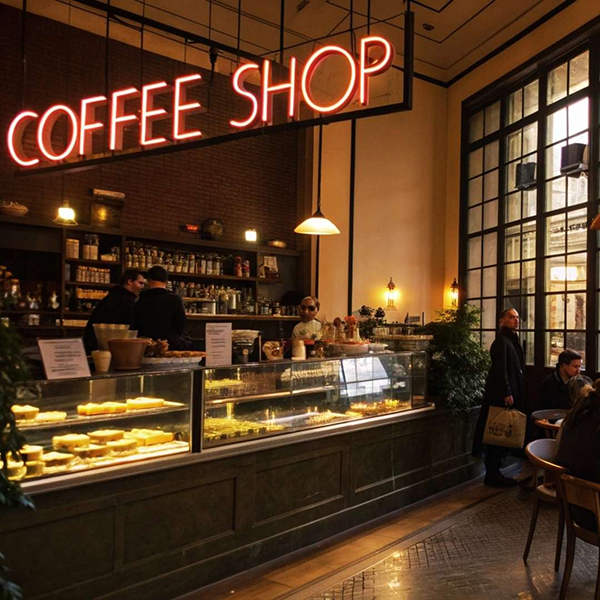
Cafés choose the 3kg electric coffee roaster first because it balances control, learning, cost, and flavor — the perfect launchpad for sustainable, smart roasting growth. ...

Air-driven technology is transforming small-batch roasting, giving modern roasters unprecedented precision, clarity, and creative freedom—and redefining what specialty innovation can look like. Occasionally in the ...

Roast cleaner. Control more. Elevate everything. Discover how a modern electric coffee roaster transforms consistency, clarity, and efficiency—helping roasters produce exceptional coffee with confidence and ...

Air roasting has become the industry’s new benchmark—offering cleaner flavor, sustainable efficiency, and precise control that redefine professional roasting with boldness and clarity. A New ...
A smart, balanced look at air roasting vs. drum roasting—exploring how modern air coffee roasters deliver cleaner flavor, precision, and consistency without losing the craft ...