

Air-roasted coffee isn’t a gimmick—it’s a strategic storytelling opportunity when marketed with clarity, confidence, and respect for the specialty consumer.
When Process Becomes the Product
Walk into any specialty café, and you’ll hear the usual suspects: origin stories, altitude, varietal, and fermentation method. Consumers know this language now. They expect it. What they don’t always understand—yet—is why roasting method matters and why air-roasted coffee deserves a place in that conversation.
That’s the opportunity.
Air roasting is not new, but consumer awareness is still catching up. Specialty buyers are curious, educated, and skeptical in healthy ways. They don’t want gimmicks. They want clarity, credibility, and a reason to care. Marketing air-roasted coffee effectively isn’t about technical superiority or engineering diagrams—it’s about translating process into tangible experience: cleaner flavor, consistency, transparency, and intentional craftsmanship.
In this article, we’ll look at how to position air roasting as a meaningful differentiator without turning it into jargon soup. From brand storytelling and point-of-sale messaging to label language that actually gets read, this is a tactical guide for roasters who believe great coffee deserves equally thoughtful communication.
Start With the “Why,” Not the Machine
One of the fastest ways to lose a specialty consumer is to talk like a spec sheet.
Air roasting is inherently technical, but your audience doesn’t need airflow rates or chamber geometry. What they need is context. When marketing air-roasted coffee, the story should begin with why you chose this method, not how it works.
The most compelling brands frame air roasting as a values-based decision:
- A commitment to clarity of flavor
- A pursuit of repeatability and precision
- A desire to let origin character speak without interference
This positions air roasting as an extension of your philosophy, not a novelty. It also subtly reframes the common air roaster vs drum roaster conversation away from rivalry and toward intentional choice.
Translate Process Into Sensory Payoff
Specialty consumers buy with their senses—even when they think they’re buying with their brains.
Instead of saying, “We roast with hot air,” connect the dots:
- “Suspended roasting promotes even development.”
- “Chaff removal during the roast supports a cleaner cup.”
- “Precise control allows us to dial in sweetness without masking acidity.”
This is where air-roasted coffee earns its keep. The method supports consistency, but the message should always land on taste, texture, and balance. Clean doesn’t mean thin. Precision doesn’t mean sterile. Your job is to help customers taste the difference before they taste the coffee.
Brand Storytelling: Make It Human
The strongest air-roasted brands don’t lead with technology. They lead with people.
Why did you decide to roast this way? Was it frustration with inconsistency? A desire to push lighter or more nuanced profiles? A commitment to long-term sustainability and control?
When positioned correctly, artisanal air-roasted coffee becomes a story of evolution—not disruption for disruption’s sake, but refinement. You’re not rejecting tradition; you’re building on it with modern tools.
Humor helps here, too. A line like, “No beans were scorched in the making of this coffee,” can disarm without undermining credibility. Specialty consumers appreciate brands that take coffee seriously—but not themselves.
Point-of-Sale Messaging That Actually Works
POS is where most roasting stories go to die.
Too much text. Too many buzzwords. Too little relevance.
Effective POS messaging for air-roasted coffee should do three things quickly:
- Name the difference
- Explain the benefit
- Invite curiosity
For example:
Air roasted for clarity and balance—so you taste the origin, not the roast.
That’s it. No diagrams. No lectures.
This is also where you can gently address the air roaster vs drum roaster question without framing it as a fight. Think contrast, not competition. You’re offering an alternative expression of craft, not claiming moral superiority.
Label Language: Precision Over Poetry
Your label has about five seconds of attention. Use them wisely.
Specialty consumers read labels differently than they used to. They scan for signals of intention. When referencing air-roasted coffee, clarity beats cleverness.
Avoid vague claims. Avoid marketing fluff. Instead:
- Place “air roasted” near the roast level or origin
- Pair it with a benefit statement
- Keep language consistent across SKUs
If you’re producing artisanal air-roasted coffee, the word “artisanal” should be earned through consistency, transparency, and restraint—not decorative fonts.
And yes, consistency matters. If air roasting is core to your identity, it should show up everywhere: labels, menus, shelf talkers, and digital touchpoints.
Educate Without Preaching
The specialty consumer loves learning—but hates being lectured.
Short educational touchpoints work best:
- A single sentence on a bag
- A short FAQ card at the bar
- A brief explainer on your website
This is where you can acknowledge that there is an ongoing air roaster vs drum roaster conversation, while positioning your approach as one thoughtful option among many.
You’re not here to convert everyone. You’re here to attract the people who value what you value.
Why Equipment Choice Still Matters (Quietly)
While consumers don’t need to know your exact setup, they do respond to confidence. When asked why you chose your system, being able to articulate why you invested in the best air coffee roaster for your operation reinforces trust.
Not because it’s the “best” in absolute terms—but because it’s the best for your goals. That nuance matters.
The best air coffee roaster supports consistency, scalability, and creative control. When your marketing reflects those outcomes instead of the hardware itself, the message stays consumer-relevant.
Conclusion: Differentiation Without Distraction
Marketing air-roasted coffee isn’t about shouting louder—it’s about speaking more clearly.
Specialty consumers are ready for this conversation, but only if it’s grounded in authenticity and experience. When air roasting is framed as a deliberate choice that enhances flavor clarity, consistency, and transparency, it stops being a technical footnote and becomes part of your brand’s identity.
The most successful air-roasted brands don’t rely on novelty. They rely on trust. They explain just enough. They invite curiosity without demanding agreement. And they let the coffee—clean, expressive, and intentional—do the rest.
In a crowded specialty market, that kind of quiet confidence is often the most powerful differentiator of all.
About Air-Motion Roasters
Specializing in energy-efficient, all-electric air roasting, Air‑Motion Roasters offers precise control and clean roasting designed with our patented open-chamber airflow system. Our technology reduces heat, smoke, VOCs, and chaff while delivering consistent, traditional roast times without emissions or fuel use. The result? No bitter or burnt notes. Just clean, delicious coffee.Explore our 3kg, 6kg, and 12kg roasters, plus the AirSift destoner. Use our calculator to find the best fit for your needs. With competitive financing options, we make it easy to experience the Air‑Motion Advantage. Contact us at Air-Motion Roasters USA today.
Frequently Asked Questions
Market Your Air-Roasted Coffee With Confidence
Turn Process Into a Competitive Advantage
If you’re producing air-roasted coffee, your marketing should work as hard as your roaster does. From labels to POS to brand storytelling, clarity wins. Highlight what makes your coffee intentional, consistent, and expressive—and let your customers connect the dots. Done right, air roasting isn’t just a method. It’s a message.
Contact us to request a demo or chat, visit our video library, or try out our roaster size calculator.
Related Posts

Positioning a fluid bed coffee roaster as a strategic advantage helps roasters justify premium pricing, highlight artisanal air-roasted coffee quality, and strengthen brand identity through ...
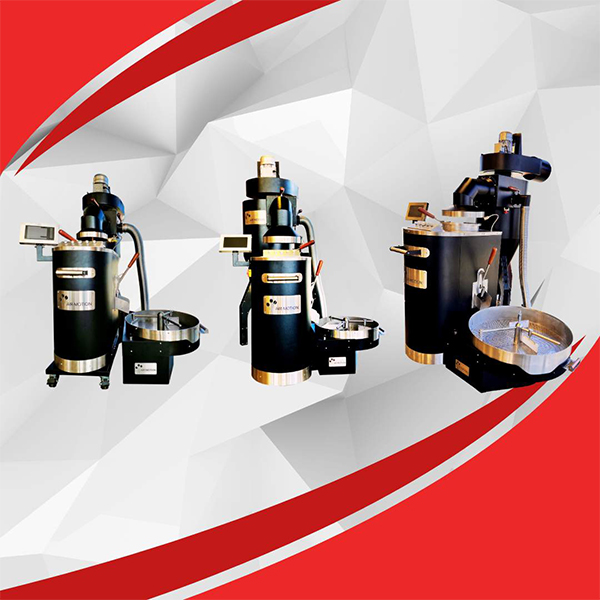
A multi-size electric coffee roaster commercial strategy using 3kg, 6kg, and 12kg machines delivers flexibility, consistency, and scalability for modern, growth-focused roasting operations. Combining 3kg, ...

Scaling from a 3kg air coffee roaster into 6kg or 12kg systems helps roasters increase production, maintain consistency, and grow sustainably through advanced airflow-driven control. ...

Air roasting delivers cleaner flavor, greater consistency, and operational efficiency. For café owners, investing in an air coffee roasting machine means elevating quality while future-proofing ...

Learn how to seamlessly integrate an air or electric coffee roaster into your existing setup—enhancing consistency, sustainability, and flavor precision without disrupting your current roasting ...