
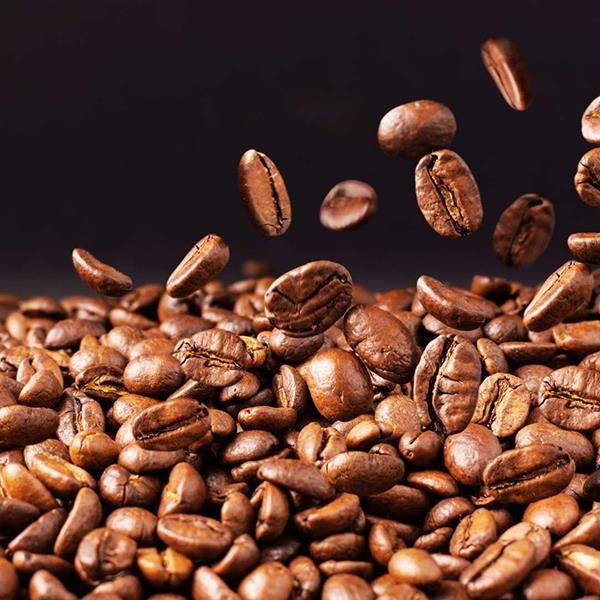
A thoughtful look at air roaster vs drum roaster shows why air roasting better preserves origin clarity, delivers cleaner cups, and protects the integrity that farmers work so hard to create.
We talk a lot about the origin of specialty coffee. We celebrate terroir, microclimates, soil composition, careful harvesting, and the growers who put heart, time, and risk into every lot. But here’s the uncomfortable truth: one careless roast can flatten all of it.
Bean integrity — the preservation of those nuanced origin notes — ultimately hinges on how heat meets the seed.
And that’s where the debate gets lively: air roaster vs drum roaster.
Both methods can produce excellent coffee when handled correctly. But if the question is specifically about preserving clarity, sweetness, and origin transparency, it’s worth asking: Is one roasting approach inherently better designed for that job?
Let’s unpack it — thoughtfully, honestly, and with an eye toward the cup.
What “Bean Integrity” Really Means?
Bean integrity isn’t just “don’t burn the coffee.”
It means:
- letting delicate floral notes survive,
- preventing uneven development,
- avoiding baked or smoky overlays,
- maintaining structural sugars without scorching,
- and allowing acids to evolve rather than collapse.
When we evaluate bean integrity, we aren’t talking about preference. A dark roast can be excellent — when it honors the bean’s natural structure rather than erasing it.
The trick is the consistency of heat application. And that leads us straight into the heart of the air roaster vs drum roaster conversation.
Drum Roasting: The Established Workhorse
Traditional drum roasting has been the backbone of commercial roasting for decades. Beans tumble inside a rotating drum while heat is applied through conduction (hot metal), convection (hot air), and some radiant heat.
Skilled drum roasters can absolutely create beautiful profiles. But conduction-heavy systems come with risks:
- Localized hotspots can scorch outer surfaces.
- Beans may not heat evenly through the core.
- Residual smoke sometimes re-circulates, coating beans.
- A misstep can mute origin character, replacing nuance with toastiness.
When comparing air roaster vs drum roaster, drum machines tend to be less forgiving. Great operators master them — but the method itself doesn’t inherently prioritize bean integrity. It prioritizes capacity and traditional workflow.
Air Roasting: Heat That Floats, Not Burns
Now let’s switch lenses to the hot air coffee roaster — the foundation of modern air roasting.
Here, beans float in a precise column of rapidly moving hot air. Instead of a metal contact, convection does nearly all the work. That one distinction changes everything:
- Even heat penetration means every bean develops consistently.
- The chaff is immediately removed, reducing bitterness and smoke taint.
- The roast responds faster to adjustments — like steering, not wrestling.
- Flavors stay clean, true, and transparent.
When you line up air roaster vs drum roaster cuppings, it’s remarkably common to hear people say, “This tastes brighter — but not sharp. Sweeter, but not heavy.”
That’s not marketing language. That’s physics.
With air-roasted coffee, sugars caramelize more uniformly, acidity stays structured, and origin remains front and center. It’s like turning the focus ring on a camera lens — suddenly, everything snaps into clarity.
Why Air Roasting Protects Origin Notes Better?
Let’s look at what origin clarity really needs:
| Need | Drum Roasting | Air Roasting |
| Even heat | Can vary across the drum | Consistently uniform |
| Smoke control | May recirculate | Removed instantly |
| Responsiveness | Slower correction | Instant adjustments |
| Surface scorching | Higher risk | Rare when executed properly |
| Flavor cleanliness | Can be toasty | Exceptionally clean |
In conversation after conversation about air roaster vs drum roaster, the theme repeats:
Air roasting minimizes variables that erode bean integrity.
And for coffees showcasing delicate florals, stone fruit, honey sweetness — or those adventurous anaerobics — that matters enormously.
The Rise of Artisanal Air Roasted Coffee
If you’ve noticed more roasters highlighting artisanal air-roasted coffee, it isn’t trend-chasing. It’s a signalling choice:
- They’re committing to cleaner profiles.
- They want to showcase producer craftsmanship.
- They’re choosing consistency over nostalgia.
Working with a hot air coffee roaster also gives artisans something drum systems struggle with — repeatability without compromise. When clients describe their first comparison of air roaster vs drum roaster, they often say:
“The coffee tasted like what I always wished it would taste like.”
That’s not hype. That’s alignment between growing, processing, and roasting.
But Let’s Be Honest: Skill Still Matters
Here’s the truth:
A poor operator can ruin coffee on any machine. Air-roasted coffee isn’t magic — it simply gives the roaster a cleaner, more forgiving canvas.
The best roasters treat their craft like stewardship. They choose technology that helps them protect bean integrity rather than fight against variables all day.
In that sense, the air roaster vs drum roaster debate isn’t about ego. It’s about responsibility.
So — What’s the Best Method for Maintaining Bean Integrity?
If the goal is:
- maximum clarity
- truest expression of terroir
- repeatable, consistent heat control
- clean cups without smoky interference
Then the evidence tilts strongly toward air roasting.
A thoughtfully tuned hot air coffee roaster allows coffee to develop, not defend itself from scorching. And when executed by professionals who care deeply about farmers, buyers, and drinkers, artisanal air-roasted coffee becomes something rare: a roast that honors every stage of the journey.
In the conversation of air roaster vs drum roaster, tradition deserves respect — but precision deserves the future.
About Air-Motion Roasters
Specializing in energy-efficient, all-electric air roasting, Air‑Motion Roasters offers precise control and clean roasting designed with our patented open-chamber airflow system. Our technology reduces heat, smoke, VOCs, and chaff while delivering consistent, traditional roast times without emissions or fuel use. The result? No bitter or burnt notes. Just clean, delicious coffee.Explore our 3kg, 6kg, and 12kg roasters, plus the AirSift destoner. Use our calculator to find the best fit for your needs. With competitive financing options, we make it easy to experience the Air‑Motion Advantage. Contact us at Air-Motion Roasters USA today.
Frequently Asked Questions
See What Happens When Origin Comes First
Curious how different your coffees can taste when technology puts bean integrity at the center? Explore the real-world performance of the air roaster vs drum roaster, taste transparent sweetness, and experience cleaner development across every batch. Your producers worked hard for those flavors — let’s make sure they survive the roast.
Contact us to request a demo or chat, visit our video library, or try out our roaster size calculator.
Related Posts

Cleaner emissions start at the heat source. This air roaster vs drum roaster breakdown shows why electric air roasting is redefining compliance, efficiency, and modern ...

Electric, air-driven roasting is reshaping the industry with cleaner energy, precise control, and consistent flavor—pushing coffee professionals toward a smarter, more sustainable future. In the ...

Unlock deeper clarity, richer complexity, and cleaner production with an eco-friendly coffee roaster. Air roasting is reshaping flavor potential—and redefining the future of sustainable, precision-driven ...

The roasting world is shifting fast. Forward-thinking professionals are moving beyond gas, embracing electric-powered air coffee roasters for their precision, sustainability, and clean, consistent flavor. ...

Discover how airflow and electric control in a precision coffee roaster unlock unmatched consistency, flavor clarity, and repeatability in modern specialty roasting. In the world ...