

Learn how to seamlessly integrate an air or electric coffee roaster into your existing setup—enhancing consistency, sustainability, and flavor precision without disrupting your current roasting workflow.
Rethinking What Integration Really Means
When most roasters imagine “switching” to an air coffee roaster, they picture a total overhaul—new systems, new profiles, new learning curves. But in reality, integration doesn’t have to mean disruption. For many roasting businesses, especially those already working with precision-driven operations, it’s a natural evolution.
The truth is, air roasting and drum roasting don’t have to exist in opposition. The smartest modern roasteries are blending both approaches—leveraging the speed, clarity, and repeatability of an air coffee roaster while preserving the familiar artistry and control they’ve refined over years of drum roasting.
If you’ve ever thought, “We’d love to add one, but we can’t afford the downtime,” this article is for you.
Step One: Start with Your Why
Before a single bean touches your air coffee roaster, it’s worth pausing to ask: What problem are we actually trying to solve?
Is your current system struggling with consistency? Throughput? Energy efficiency? Sustainability goals? Each of those challenges can inform how you’ll integrate an electric coffee roaster into your workflow.
Air roasting technology shines when you want:
- Repeatable precision with digital roast curve control.
- Faster batch turnaround times.
- Cleaner cup quality with minimal smoke and chaff.
- Lower emissions and an easier path to sustainability.
Defining your “why” ensures you’re not just adding equipment—you’re improving your system.
Step Two: Map the Workflow Before You Move the Equipment
The most successful transitions begin on paper, not on the production floor. Map out your existing workflow—from green bean intake to packaging—and note where bottlenecks occur.
Ask yourself:
- Where would a commercial air coffee roaster make the biggest impact?
- Could you use it for sample roasting, smaller specialty batches, or high-throughput production?
- What’s the footprint, airflow, and power requirement for your new air coffee roaster?
Because modern air roasting systems like Air-Motion’s are modular and compact, they can often fit into spaces a traditional drum roaster can’t. Integrating one can mean optimizing—not expanding—your space.
Step Three: Training, Not Reinvention
A common misconception is that adopting an air coffee roaster means unlearning everything you know. In practice, it’s more like upgrading your espresso machine—you already understand the fundamentals; you’re just learning a new language of control.
The core variables remain: charge temperature, airflow, bean density, and rate of rise. The difference is in how your air roaster responds. With air roasting, you’ll notice that airflow control becomes your primary lever. The beans are roasted in a suspension of hot air, giving you cleaner, more even heat transfer and minimizing the risk of scorching.
The reward? Repeatability. Once you’ve dialed in your roast curves, you can save and replicate them with remarkable precision. For multi-location roasters or contract producers, that kind of consistency is priceless.
Step Four: Stagger the Integration
You don’t have to go “all-in” overnight. In fact, most successful operations start by dedicating specific production slots or SKUs to their air coffee roaster.
Here’s a common rollout plan used by forward-thinking roasteries:
- Pilot with small batches. Use your new commercial air coffee roaster for single origins or experimental lots.
- Compare data, not just taste. Track development time, weight loss, and sensory results side by side with drum-roasted batches.
- Document everything. Use your profiling software to identify how each system’s curves align.
- Scale what works. Once the team is confident, expand production to include more SKUs roasted on the air system.
By the time you’re producing larger volumes, your staff, QC process, and customers will already be aligned.
Step Five: Integrate the Data Stream
Modern roasting is as much about information as it is about heat. Your electric coffee roaster likely comes equipped with smart sensors, digital controls, and roast-curve software that can integrate directly with your existing data ecosystem.
This connectivity is where air roasting becomes truly transformational. Integrating a commercial air coffee roaster lets you sync real-time roast data with your quality control systems, automate logging for transparency and traceability, and compare batch metrics across machines and locations.
The result is not just consistency—it’s insight. You’ll start to understand not only how you roast, but why certain outcomes repeat or vary.
And for many operators, that level of feedback turns roasting from intuition into intelligent iteration.
Step Six: Communicate the Change Internally (and Externally)
Bringing a new air coffee roaster into the mix doesn’t just impact production—it reshapes culture. The sensory team needs to understand the nuances. The marketing team needs language to describe the upgrade authentically.
Make sure the story you tell internally—about efficiency, sustainability, and cup clarity—matches the one you share externally. When done right, integrating a new electric roaster becomes part of your brand narrative, not just an equipment update.
Step Seven: Rethink Maintenance and Energy Management
Because an electric coffee roaster eliminates the need for gas lines and combustion exhaust, maintenance often becomes simpler and safer. There’s no more cleaning burners or calibrating gas pressure. Air-driven systems also tend to self-clean better, since chaff is expelled during the roast instead of building up inside the chamber.
That simplicity extends to sustainability. Many electric air roasting systems draw significantly less energy per batch, minimizing both your footprint and your environmental impact. For roasteries striving to achieve carbon neutrality or LEED certification, this integration can accelerate their progress toward those goals.
Step Eight: Preserve Your Signature While You Evolve
One of the biggest concerns among artisan roasters is that switching to an air coffee roaster might change the flavor signature their customers love. It’s a valid worry—but also an outdated one.
Today’s advanced commercial air coffee roaster models use both convective and conductive heat, allowing you to produce a full spectrum of roast profiles—from bright and tea-like to syrupy and chocolate-rich.
Integrating an air system doesn’t erase your signature. It expands your creative range. Many roasters use their air machine to highlight clarity in single origins while keeping their drum system for deeper blends. That’s not compromise—it’s orchestration.
Step Nine: Think Long-Term—Beyond Equipment
Integration isn’t just about hardware. It’s about your business’s future resilience. By incorporating an air coffee roaster, you’re positioning your roastery for a world that increasingly values clean energy, data transparency, and sustainable sourcing.
Electric roasting technology is evolving rapidly. In five years, the infrastructure, power efficiency, and automation capabilities you’re putting in place today will feel like table stakes. Early adoption isn’t just about innovation—it’s about future-proofing your operation.
The Takeaway: Modernization Without Disruption
If the idea of integrating an air coffee roaster still feels intimidating, remember this: you don’t have to rebuild your business to modernize it. The point of innovation isn’t to erase your tradition—it’s to amplify it.
An electric coffee roaster or commercial air coffee roaster isn’t just a machine upgrade; it’s a system upgrade. It brings cleaner profiles, steadier throughput, and data-driven control to the same artistry you already practice.
You’ve spent years perfecting your craft. Now, technology is simply catching up to your ambition.
Final Thoughts
Every roasting operation has its rhythm—its heartbeat of heat, aroma, and timing. Integrating an air coffee roaster into that rhythm doesn’t silence the old tune; it adds new instruments. The goal isn’t to become a different kind of roaster, but a more capable one.
For businesses ready to evolve without losing their essence, the path is clear: blend experience with innovation. Let the electric coffee roaster work alongside your trusted setups. Let the data guide your next leap forward.
Because the future of coffee roasting isn’t either-or—it’s both-and. And for those who choose to integrate smartly, it’s already here.
About Air-Motion Roasters
Specializing in energy-efficient, all-electric air roasting, Air‑Motion Roasters offers precise control and clean roasting designed with our patented open-chamber airflow system. Our technology reduces heat, smoke, VOCs, and chaff while delivering consistent, traditional roast times without emissions or fuel use. The result? No bitter or burnt notes. Just clean, delicious coffee.
Explore our 3kg, 6kg, and 12kg roasters, plus the AirSift destoner. Use our calculator to find the best fit for your needs. With competitive financing options, we make it easy to experience the Air‑Motion Advantage. Contact us at Air-Motion Roasters USA today.
Frequently Asked Questions
Ready to modernize your roast without missing a beat?
Experience the precision, speed, and sustainability of an all-electric, all-air system. Discover how Air-Motion Roasters USA helps you integrate clean technology seamlessly into your craft—no downtime, just better coffee.
Explore our lineup and feel the Air-Motion difference today!
Related Posts

Positioning a fluid bed coffee roaster as a strategic advantage helps roasters justify premium pricing, highlight artisanal air-roasted coffee quality, and strengthen brand identity through ...

Air-roasted coffee isn’t a gimmick—it’s a strategic storytelling opportunity when marketed with clarity, confidence, and respect for the specialty consumer. When Process Becomes the Product ...
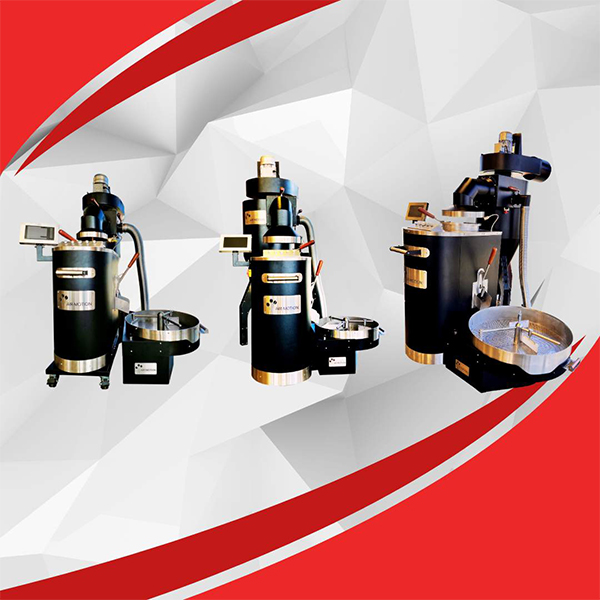
A multi-size electric coffee roaster commercial strategy using 3kg, 6kg, and 12kg machines delivers flexibility, consistency, and scalability for modern, growth-focused roasting operations. Combining 3kg, ...

Scaling from a 3kg air coffee roaster into 6kg or 12kg systems helps roasters increase production, maintain consistency, and grow sustainably through advanced airflow-driven control. ...

Air roasting delivers cleaner flavor, greater consistency, and operational efficiency. For café owners, investing in an air coffee roasting machine means elevating quality while future-proofing ...